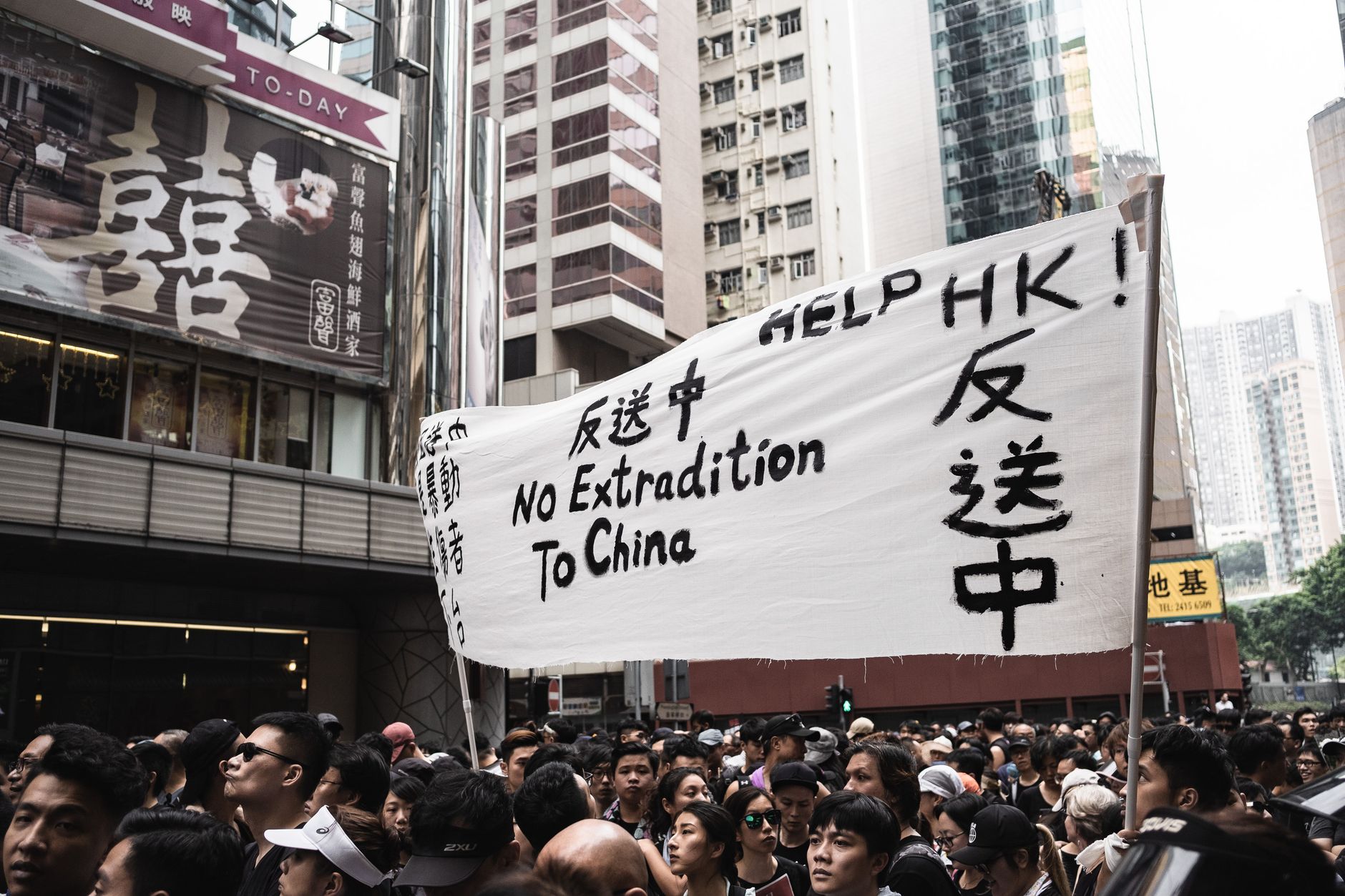
Asian Games politics have become a growing concern as the Olympic Council of Asia President highlights the issue. The intersection of sports and politics is increasingly evident.
Overview of the Asian Games
The Asian Games, a major multi-sport event held every four years, brings together thousands of athletes from across Asia. This prestigious competition, organized by the Olympic Council of Asia, showcases not only athletic prowess but also the complexities of regional politics. In recent years, the intersection of Asian Games politics and sports has become increasingly evident, as nations leverage the games to promote diplomatic agendas.
As countries prepare to compete, the influence of political tensions can overshadow the spirit of camaraderie that the Games aim to foster. The President of the Olympic Council of Asia has acknowledged that politics have already entered into the Asian Games, raising concerns about how these dynamics may affect athletes and their performances.
- National pride often drives participation and investment in athletics.
- Political disputes can lead to boycotts or sanctions against specific nations.
- Alliances and rivalries among countries may impact team selections and strategies.
With the potential for political issues to disrupt the Games, athletes find themselves navigating not only their competitions but also the larger implications of Asian Games politics. This environment underscores the challenges they face beyond the field of play.
Political Influence in Sports
The intersection of politics and sports has become increasingly evident in recent years, with the Asian Games serving as a prime example. As the Olympic Council of Asia President noted, politics have already entered into Asian Games, influencing not just the event’s organization but also the athletes’ experiences.
This political influence manifests in various ways:
- National Representation: Countries may prioritize political agendas over fair representation, leading to tensions among nations and affecting athletes’ morale.
- Funding and Support: Athletes from politically favored regions often receive more financial backing, creating disparities in training and preparation.
- Diplomatic Relations: Diplomatic disputes can lead to the withdrawal of teams or athletes, impacting competition dynamics and the spirit of the Games.
- Media Coverage: Political narratives can overshadow athletic performances, shifting public attention from sports achievements to geopolitical issues.
The implications of Asian Games politics extend beyond the event itself, affecting athletes’ careers and the overall integrity of international sports. As the Games approach, the challenge remains in balancing politics with the essence of athletic competition.
Statements from the Olympic Council of Asia
The recent statements from the Olympic Council of Asia (OCA) have highlighted the intricate relationship between sports and politics, particularly in the context of the Asian Games. OCA President, Raja Randhir Singh, emphasized that politics has already permeated the games, making it crucial for the organization to address these influences.
In his remarks, Singh stated that while the Asian Games aim to promote unity and peace among nations, external political pressures can complicate this mission. He noted that various countries have faced challenges in their participation due to political tensions, which can affect athletes’ morale and performance.
Singh also pointed out the importance of keeping the spirit of the games intact, urging nations to focus on sportsmanship over political agendas. He expressed concern that Asian Games politics could overshadow the athletes’ achievements, diverting attention from their hard work and dedication.
- Promoting unity: The OCA is committed to fostering a peaceful environment for all participating nations.
- Addressing challenges: Political pressures must be managed to ensure fair competition.
- Highlighting athletes: The focus should remain on the athletes’ performances rather than political disputes.
Impact on Athletes and Competitions
The ongoing discussions surrounding Asian Games politics have raised significant concerns regarding the impact on athletes and competitions. As nations navigate complex political landscapes, the repercussions can often extend beyond the playing field, affecting the performance and morale of competitors.
Many athletes are finding themselves caught in the crossfire of political tensions, which can lead to:
- Increased pressure: Athletes may feel the weight of their nation’s political stance, leading to heightened anxiety and performance issues.
- Disruption of training: Political disputes can result in travel restrictions or hindered access to training facilities, ultimately affecting preparation.
- Altered competition formats: Changes in participation rules or qualifications due to political factors can skew the competitive landscape, impacting fair play.
Moreover, the public perception of the Asian Games can shift dramatically as political narratives dominate headlines, potentially overshadowing the athletes’ hard work and dedication. As the Olympic Council of Asia has pointed out, the intertwining of politics and sports could compromise the spirit of unity and sportsmanship that the Games aim to represent. This evolving situation calls for awareness and dialogue to ensure that athletes can compete in an environment that prioritizes their talents over political agendas.
Historical Context of Politics in Sports
The relationship between sports and politics has a long and complex history, particularly evident in events like the Asian Games. From its inception, the Asian Games have not only served as a platform for athletic excellence but also as a stage for political statements and national pride. As nations vie for supremacy in various sports, political agendas often intertwine with athletic pursuits, shaping the narratives surrounding the games.
Over the years, various political incidents have marked the history of the Asian Games. For instance, boycotts, protests, and diplomatic tensions have influenced participation and the overall atmosphere of the competitions. Athletes are frequently caught in the crossfire of these political dynamics, where their performances can symbolize broader national interests.
In recent years, the discussion surrounding Asian Games politics has intensified, particularly with the rise of nationalism and regional rivalries. The Olympic Council of Asia has acknowledged that politics have already entered into the Asian Games, a statement that highlights the ongoing relevance of political factors in shaping sporting events. As athletes prepare for the upcoming games, the implications of this political landscape remain a critical concern, affecting not just their performances but also their personal experiences during the event.
Reactions from Athletes and Coaches
In the wake of rising tensions surrounding the Asian Games, athletes and coaches have voiced their concerns regarding the intertwining of sports and politics. Many participants worry that political issues could overshadow their hard work and dedication.
One notable response came from a track and field coach, who stated, “We train for years to compete at this level, and it’s disheartening to see politics impacting the event.” Athletes have expressed similar sentiments, highlighting their desire for the focus to remain on athletic performance rather than political agendas.
A swimmer from a participating country remarked, “We should be celebrating our achievements and cultural exchange, not getting caught up in political conflicts.” This sentiment resonates across various disciplines, as many feel that the essence of the Asian Games—unity and sportsmanship—is at risk.
Moreover, some athletes fear that their participation may be interpreted as a political statement, complicating their motivations and the meaning of their achievements. As the Asian Games politics permeate the atmosphere, the potential for athletes to feel burdened by external pressures increases, putting their mental well-being at stake.
Overall, the reactions from athletes and coaches reflect a deep concern for the integrity of the games amidst the political influences at play.
Future of the Asian Games
The future of the Asian Games is increasingly intertwined with the dynamics of politics, raising concerns among athletes and stakeholders alike. As the Olympic Council of Asia has acknowledged, the influence of political factors on the Games is not a new phenomenon, but it is becoming more pronounced.
In light of recent developments, several key aspects will likely shape the future of the Asian Games:
- Increased Political Scrutiny: With governments taking a keen interest in the Games, athletes may face heightened scrutiny regarding their participation and performance.
- National Representation: The representation of nations may become a contentious issue, potentially leading to diplomatic tensions that could overshadow the spirit of competition.
- Unity vs. Division: The challenge will be to balance national pride with the need for unity among participating countries, especially in times of geopolitical strife.
- Impact on Future Events: The ongoing political tensions could lead to changes in the hosting of future events or the selection of venues, affecting athletes’ opportunities.
As the Asian Games evolve, the intersection of sports and politics will undoubtedly continue to influence the experience of athletes, prompting a need for ongoing dialogue and adaptation.
Conclusion and Key Takeaways
In conclusion, the intersection of Asian Games politics and athletics has become increasingly evident, influencing not only the competitive landscape but also the athletes’ experiences. The discussions surrounding political motives and agendas highlight the challenges that participants face in a politically charged environment.
Key takeaways from the ongoing discourse include:
- Increased Awareness: Athletes and stakeholders are more aware than ever of the political implications surrounding major sporting events.
- Impact on Performance: Political tensions can lead to distractions, affecting athletes’ mental states and overall performance.
- Calls for Neutrality: Many advocates are urging for a separation of sports and politics to ensure a fair and unbiased competition.
- Future Challenges: As geopolitics continues to evolve, the Asian Games may face increased scrutiny, making it essential for the Olympic Council of Asia to navigate these waters carefully.
Ultimately, the Asian Games serve as a microcosm of broader societal issues, reminding us that the world of sports cannot escape the realities of politics. The ongoing dialogue will shape the future of the Games and the athletes who represent their nations.
Understanding the nuances of Asian Games politics is essential to grasp the broader implications for athletes’ careers and well-being. The decisions made in the realm of Asian Games politics can significantly influence funding, support, and opportunities for competing nations.
Photo by Airam Dato-on on Pexels