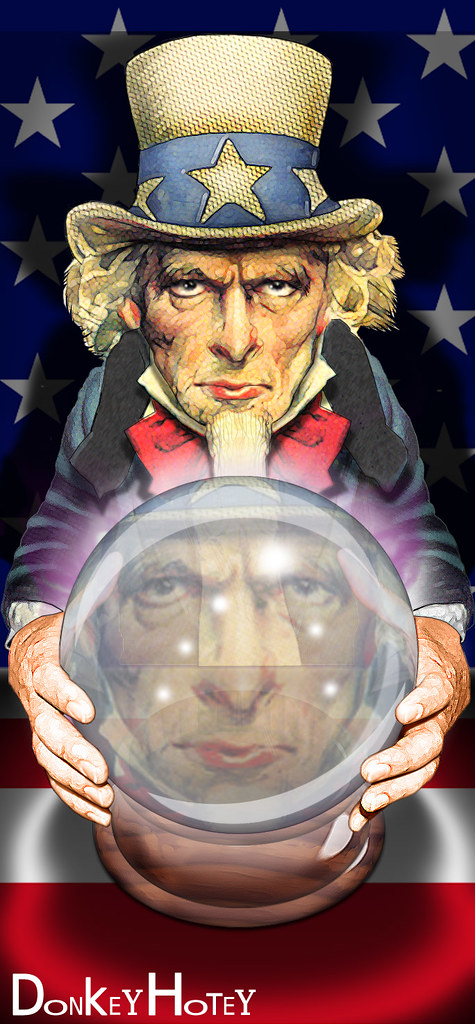
prediction markets regulation is an important topic for both investors and gamblers. Understanding how these markets are governed can help you navigate their complexities.
Understanding Prediction Markets
Prediction markets are platforms that allow individuals to bet on the outcomes of future events, ranging from political elections to sports results. These markets operate on the principle that collective knowledge can yield accurate forecasts. By aggregating diverse opinions, prediction markets aim to create a more informed perspective on potential outcomes.
One of the critical aspects of prediction markets is their regulatory landscape. Different jurisdictions have varying approaches to prediction markets regulation, which can significantly affect their operation and growth. In some regions, these markets are treated similarly to traditional gambling, while in others, they are viewed as innovative financial instruments.
- Benefits: Prediction markets often provide valuable insights and can enhance decision-making processes.
- Challenges: The lack of a standardized regulatory framework can lead to uncertainty for participants and operators.
- Future Directions: As interest in prediction markets grows, so does the discussion on the most effective methods for regulation.
Ultimately, the question remains: what is the right approach to prediction markets regulation that balances innovation with consumer protection?
The Importance of Regulation
The rise of prediction markets has sparked a growing conversation about the necessity of effective regulation. As these platforms gain popularity, ensuring their integrity and transparency becomes paramount for both users and regulators.
Prediction markets operate by allowing participants to bet on the outcomes of future events, which can include everything from elections to financial trends. Without proper oversight, these markets could become susceptible to manipulation or misinformation, posing risks to participants and the broader public.
Moreover, the lack of clear regulations can hinder innovation within the industry. Stakeholders are often uncertain about the legal landscape, which can deter investment and the development of new platforms. Therefore, establishing a balanced regulatory framework is crucial to foster growth while protecting consumers.
Some potential regulations could include:
- Licensing requirements for operators to ensure compliance with legal standards.
- Consumer protection laws to shield participants from fraud.
- Transparency mandates that require platforms to disclose their operations.
Ultimately, the right approach to prediction markets regulation could enhance trust and promote a healthier marketplace for all involved.
How Different Countries Regulate
Countries around the world have adopted varying approaches to prediction markets regulation, reflecting their unique legal and cultural contexts. These differences can significantly impact how prediction markets operate and who can participate.
- United States: In the U.S., prediction markets are often classified as gambling, leading to stringent regulations. The Commodity Futures Trading Commission (CFTC) oversees many aspects, ensuring that markets comply with existing financial laws.
- European Union: The EU takes a more lenient stance, allowing for greater experimentation with prediction markets. Some member states have established regulatory frameworks that facilitate these markets while safeguarding consumer interests.
- Australia: Australia has embraced prediction markets, treating them as a legitimate form of wagering. The Australian government has implemented regulations that promote transparency and fair play.
- Singapore: In Singapore, prediction markets are regulated under the Betting and Sweepstakes Act, which aims to prevent illegal gambling while allowing licensed operators to offer these services.
Understanding how different countries regulate prediction markets is crucial for stakeholders as they navigate a complex international landscape.
Future Trends in Market Regulation
As the landscape of prediction markets continues to evolve, the regulatory environment is likely to adapt in response to technological advancements and changing public perceptions. Future trends in market regulation may focus on several key areas:
- Increased Transparency: Regulators may push for enhanced transparency measures to ensure that participants have access to relevant information, fostering trust and integrity within the markets.
- Consumer Protection: Safeguarding participants from potential fraud or manipulation could become a priority, leading to stricter guidelines and oversight.
- Global Coordination: As prediction markets gain traction worldwide, international regulatory cooperation may be necessary to address cross-border challenges and harmonize regulations.
- Technological Integration: The rise of blockchain and decentralized platforms might prompt regulators to consider new frameworks that accommodate these innovations while ensuring compliance with existing laws.
Ultimately, the future of prediction markets regulation will likely hinge on finding a balance between fostering innovation and ensuring a fair, secure trading environment. Stakeholders must engage in ongoing dialogue to shape effective regulatory approaches.
As policymakers grapple with the complexities of prediction markets regulation, they must consider both innovation and consumer protection. Striking the right balance in prediction markets regulation could foster a more transparent and efficient marketplace.
By DonkeyHotey via Openverse
Where this came from
Brazil igaming ban: The Worst Reversal in Regulation · Asian Games 2026 highlights: India’s Silver Medal Disappointment · Irani Cup match: Quick Insights on J&K’s Bowling Choice